
Riding Legal: The Ultimate 2026 Guide to U.S. Electric Scooter Laws
The electric scooter revolution has transformed American streets, but the legal landscape remains a "patchwork" of regulations. As of 2026, while 48 states have officially legalized e-scooters, the rules on where and how you can ride vary significantly once you cross state lines.
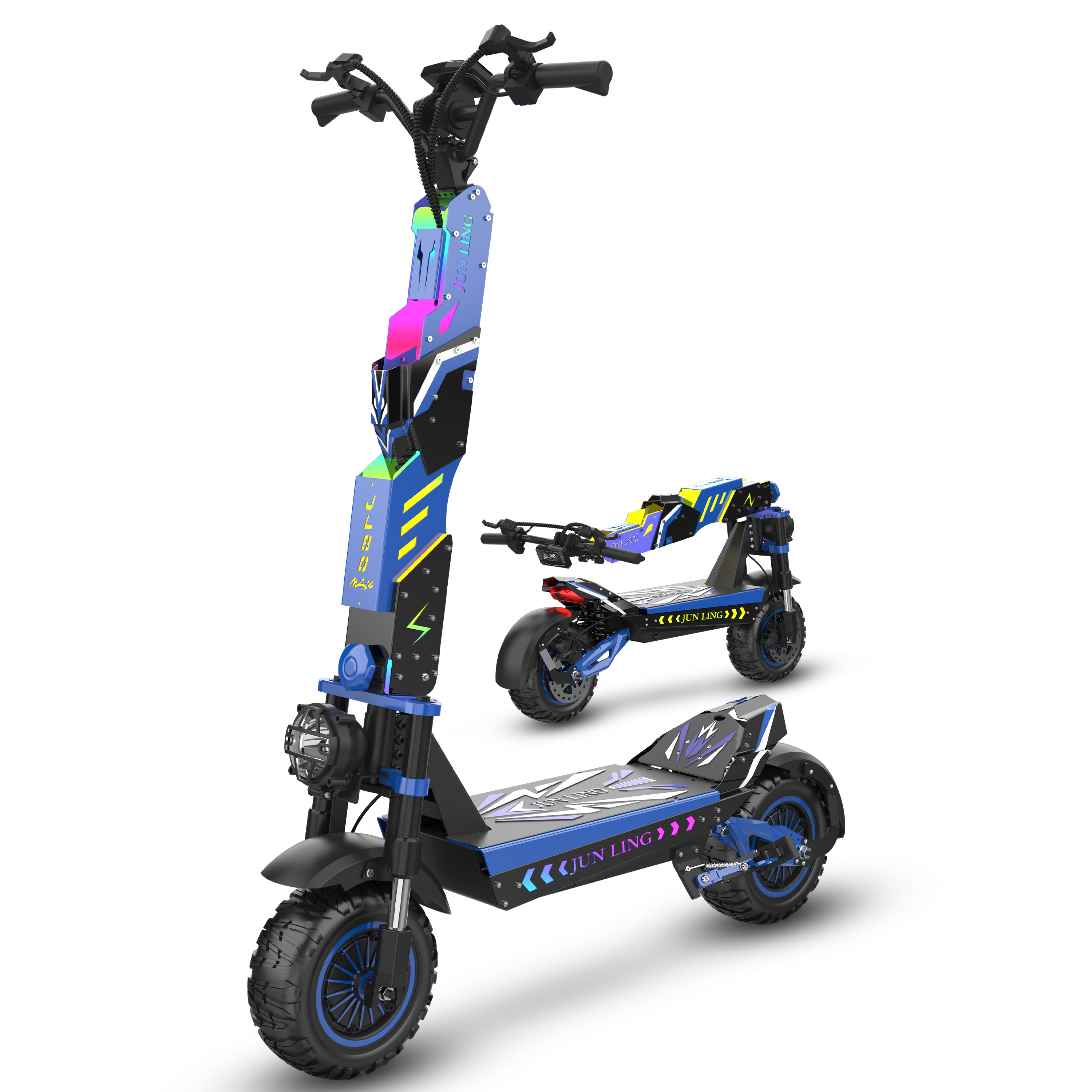
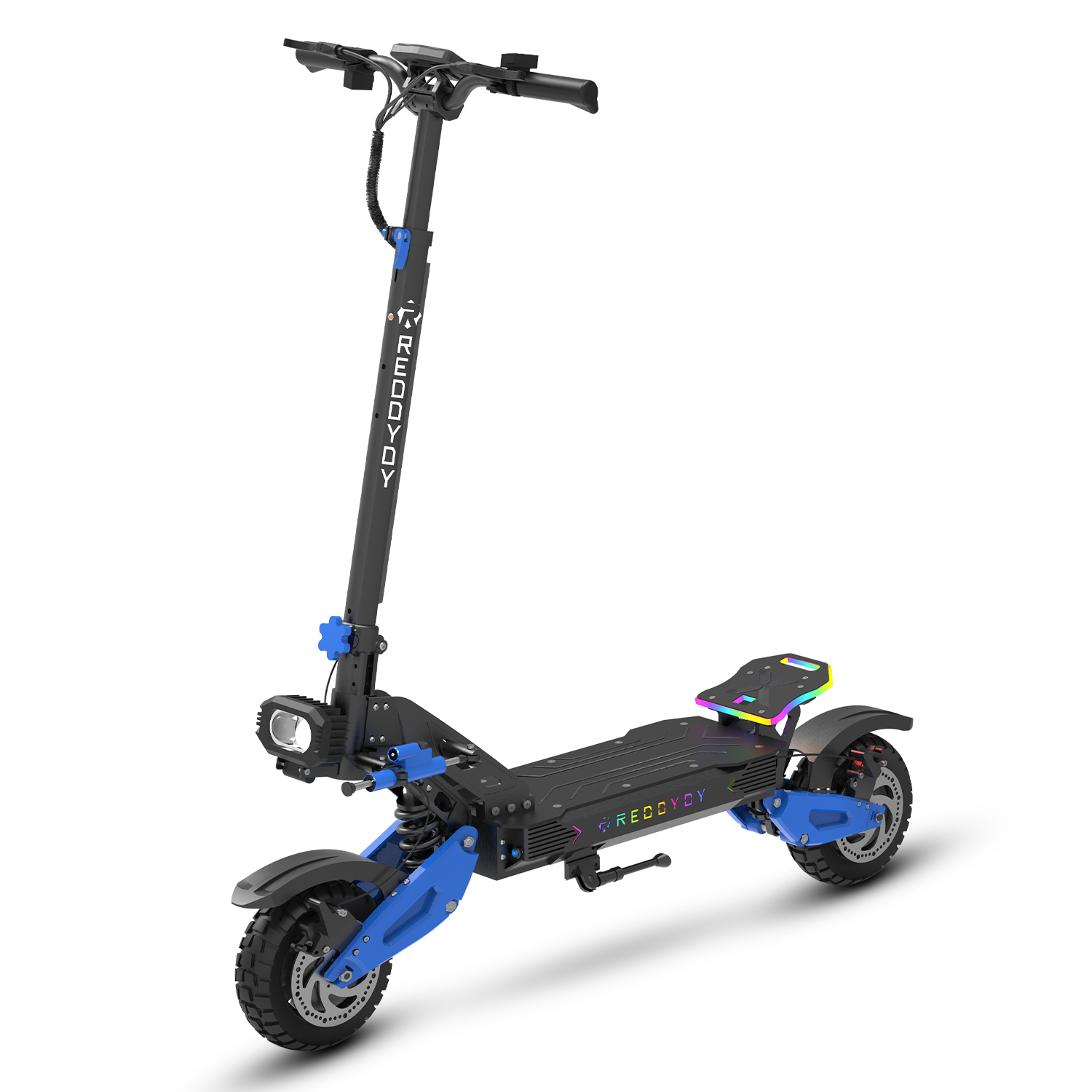
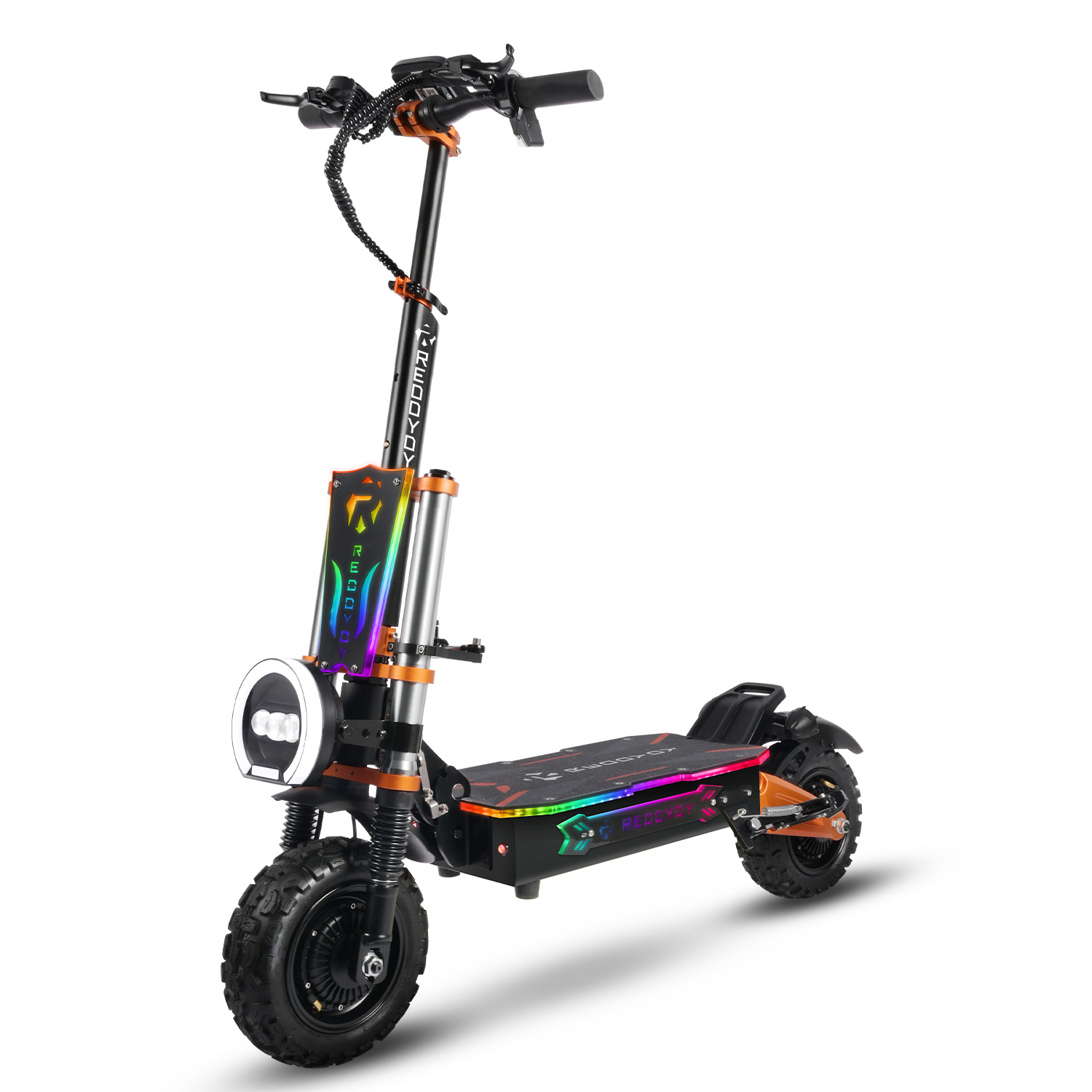
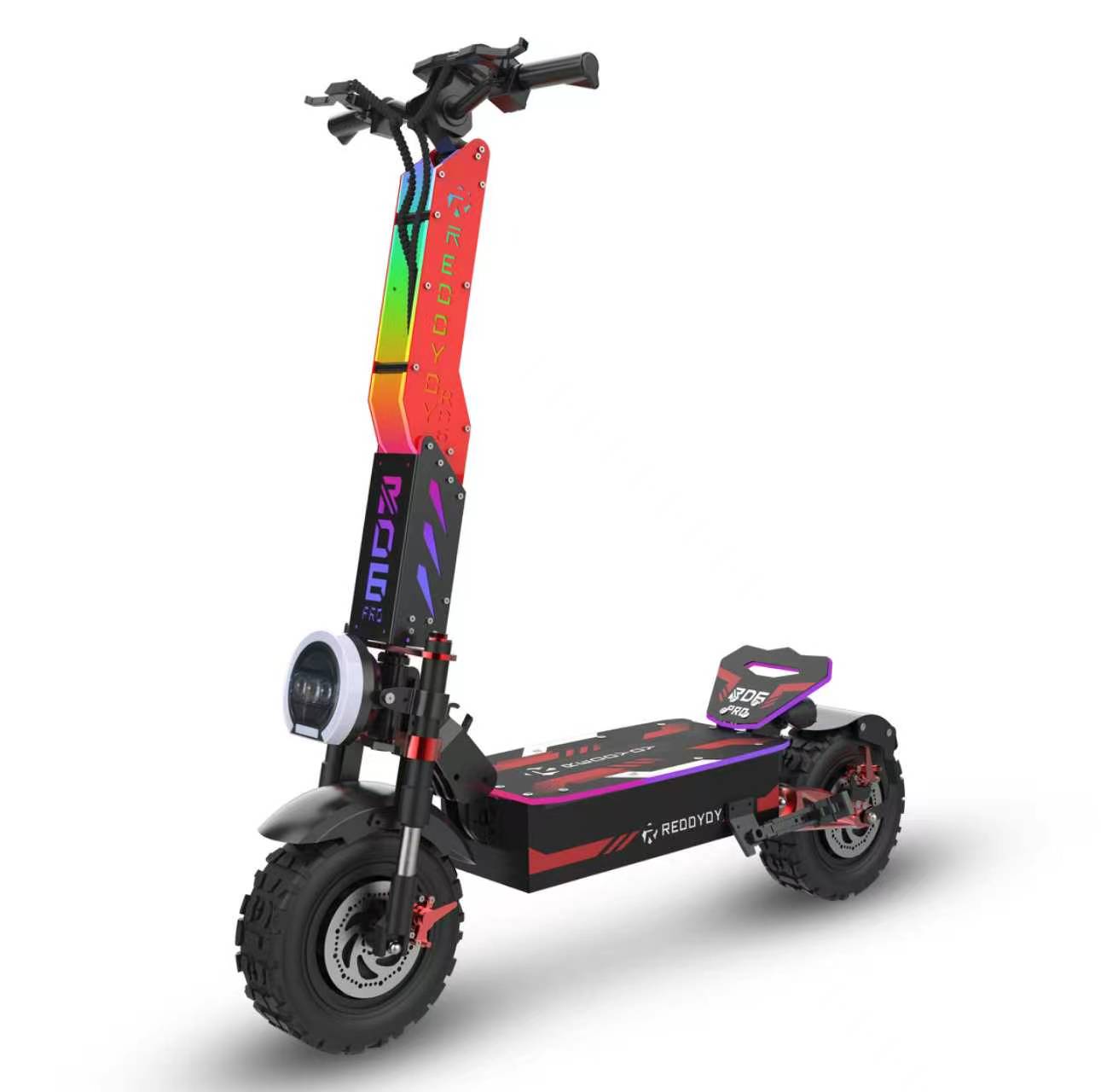
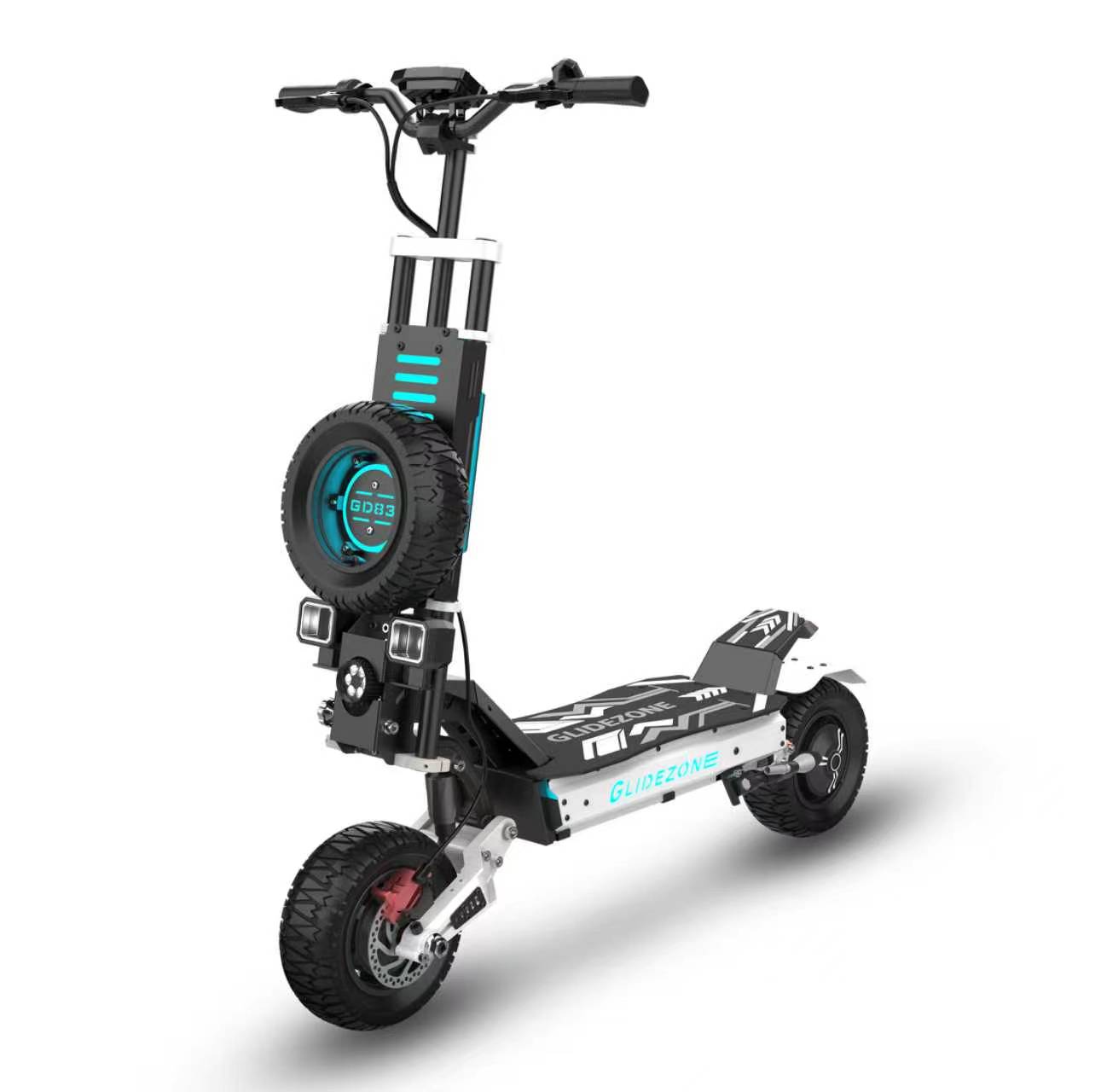
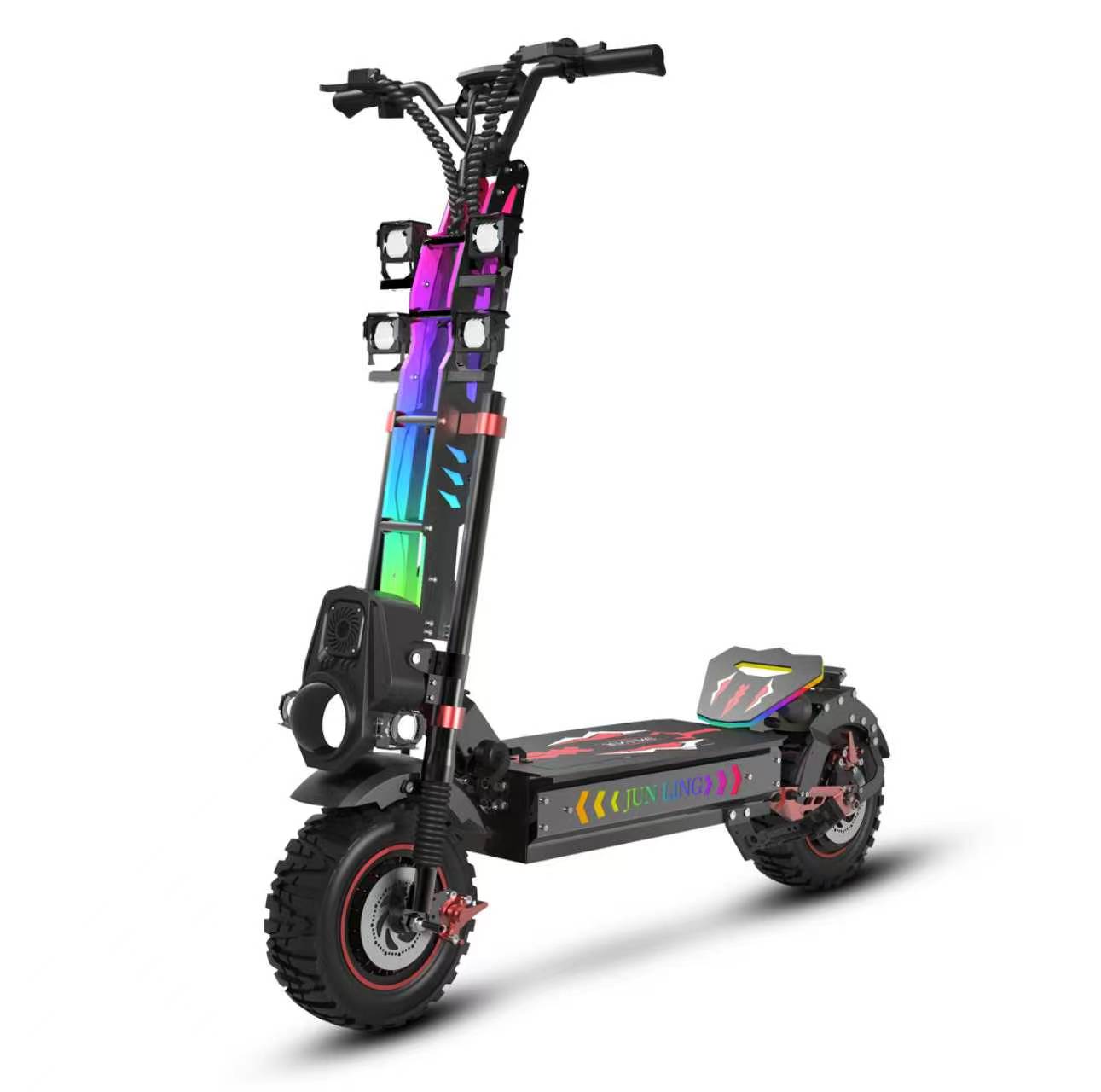
Whether you are commuting in NYC or hitting 50 MPH on a high-performance Reddydy RD2, staying compliant is key to avoiding heavy fines. Here is everything you need to know.
1. The Federal Baseline: Consumer Safety
At the federal level, electric scooters are largely regulated as consumer products. However, 2026 has brought stricter safety standards:
Battery Certification: The CPSC now mandates UL 2272 certification for all e-scooters to ensure battery safety.
Speed & Power: For a device to be classified as a "low-speed electric vehicle" (avoiding motorcycle registration), it typically must have a motor under 750W and a top speed capped at 20 mph.
2. State-by-State Breakdown: Major Riding Hubs
The most important rules—license, helmet, and speed—are decided by the states.
California: One of the strictest states. You must have a valid driver’s license or permit to ride on public roads. Sidewalk riding is strictly prohibited.
New York: E-scooters are legal on streets with speed limits of 30 mph or less. NYC specifically enforces a 15 mph limit for scooters.
New Jersey: As of January 2026, NJ has moved toward a more regulated model, requiring registration and liability insurance for certain motorized scooters.
3. Sidewalks vs. Bike Lanes: Where can you ride?
This is the most common cause for tickets.
Sidewalks: Explicitly banned in about 17 states (including CA and NY). In most urban areas, you are expected to use the bike lane.
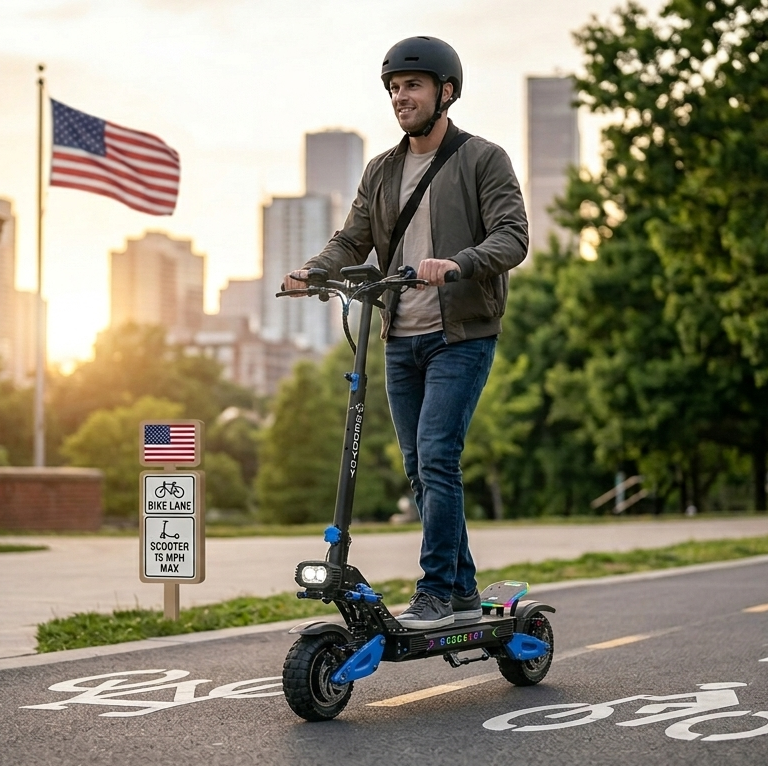
Bike Lanes: Almost universally permitted. In states like California, if the road's speed limit exceeds 25 mph, you must use a protected bike lane.
Rural Roads: In rural areas, if there is no sidewalk or bike lane, you are generally permitted to ride on the shoulder, provided you follow the flow of traffic.
4. High-Performance Scooters (50 MPH+)
If you own a high-speed model like the RD2 (50 MPH), you enter a legal "gray area."
On Public Roads: Most states cap legal e-scooter speeds at 15-20 mph. Riding at 50 mph on a public street may result in your scooter being classified as an "unregistered motorcycle," leading to impoundment.
Private Land: On private property or designated off-road tracks, these speed limits do not apply.
5. Final Checklist for 2026 Compliance
Check Local Ordinances: Cities like Chicago or Los Angeles often have stricter rules than the state.
Safety Gear: Regardless of the law, a high-quality helmet is essential, especially for scooters capable of high speeds.
Lighting: Most states require a white front light and a red rear reflector/light for any riding after sunset.
Age Limits: Most states require riders to be at least 16 years old.
Summary: The US is becoming more "scooter-friendly," but 2026 is the year of enforcement. Know your local speed limits and keep your high-speed runs for the track or private roads to stay on the right side of the law!
1 comments