
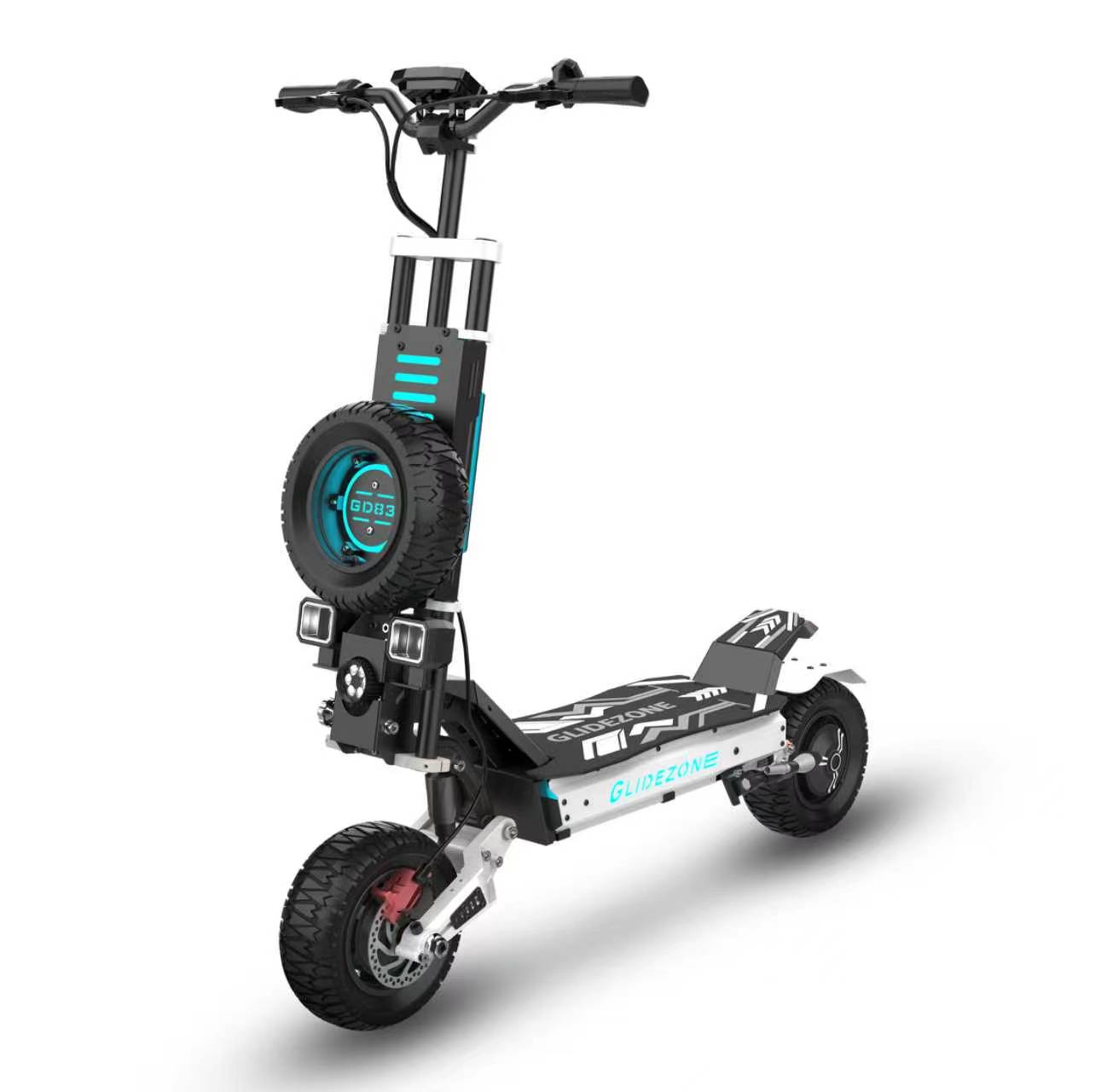
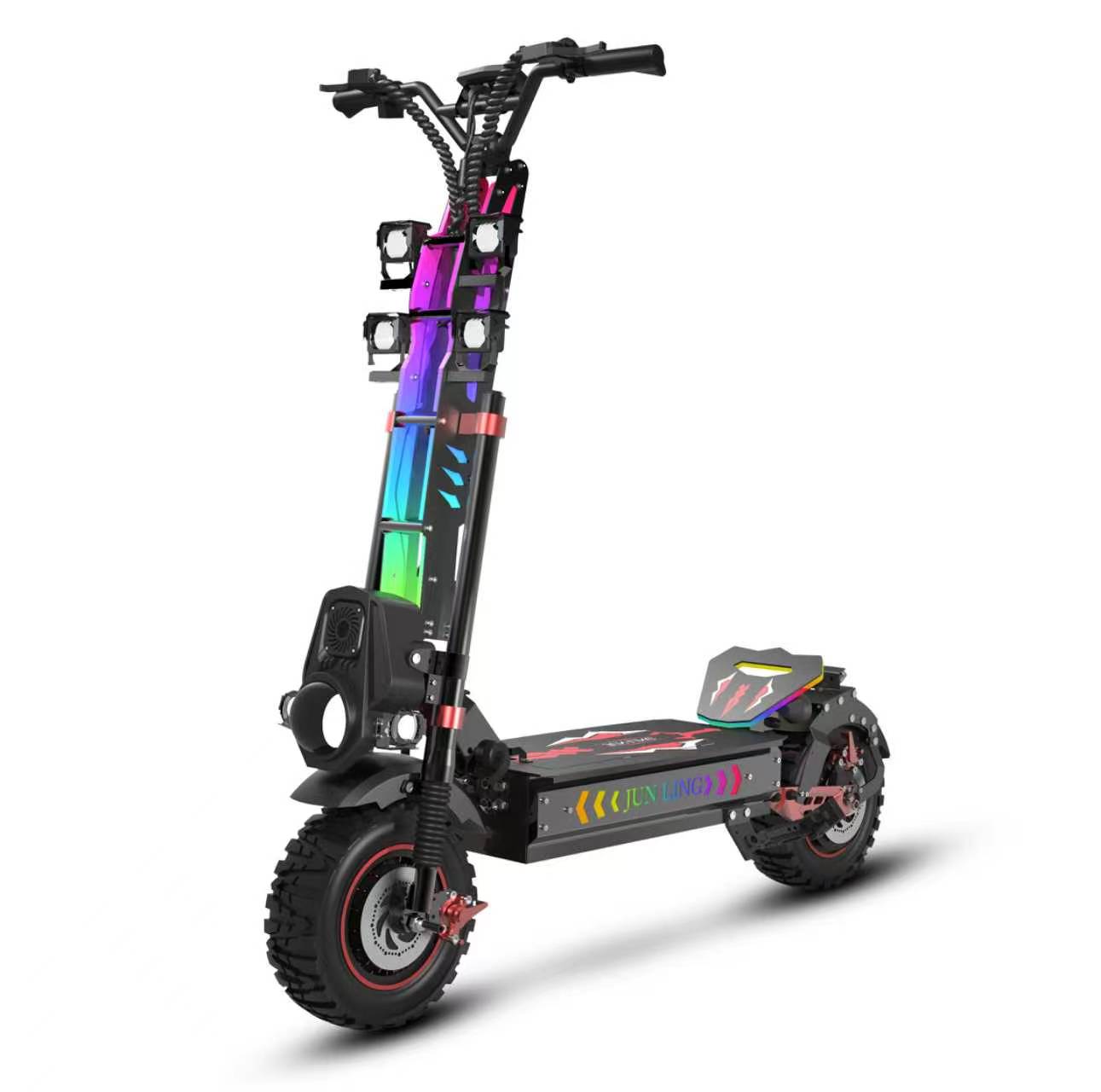

Your electric scooter battery is one of its most important components. Good charging and storage habits can help you avoid unnecessary battery stress, reduce safety risks and keep your scooter ready for the next ride. Always start with the instructions supplied for your exact model, because charging and long-term storage recommendations can differ.
1. Use the Correct Charger
Use only the charger supplied with your scooter or one specifically approved by the manufacturer. A charger that looks compatible may have different electrical specifications. Do not use damaged cables, adapters or unofficial replacement chargers.
The U.S. Consumer Product Safety Commission (CPSC) recommends following the manufacturer's charging instructions, staying present while charging and unplugging the device when charging is complete. Do not charge while sleeping or when nobody is home.
2. Choose a Safe Charging Location
Charge on a stable, dry, non-combustible surface, away from curtains, paper, furniture and other flammable materials. Keep the scooter away from exits, doorways and escape routes. Plug the charger directly into a suitable wall outlet rather than an overloaded power strip.
Do not cover the charger or battery while charging. Keep children and pets away from the charging area, and never charge a battery that is wet, swollen, leaking, unusually hot or visibly damaged.
3. Store the Scooter Away from Extreme Temperatures
For longer storage, choose a cool, dry and ventilated place. Avoid leaving the scooter or battery in direct sunlight, a hot vehicle, freezing outdoor conditions or near heaters. Massachusetts fire-safety guidance recommends keeping lithium-ion batteries and the devices they power at room temperature whenever possible.
Cold weather can affect battery performance and the distance available during a ride. If the scooter has been exposed to very low temperatures, follow the model's manual before charging or riding it again. Do not assume that every battery has the same minimum charging temperature.
4. Follow the Manual for Long-Term Storage
If you will not ride for several weeks or months, check the manufacturer's instructions for the recommended storage charge level and inspection interval. Avoid applying a generic “50% charge” rule or a fixed monthly charging schedule unless the manual for your model specifies it.
Before storage, inspect the battery enclosure and charging port for visible damage or moisture. Keep the scooter clean and dry, and make a note of the date you put it away.
5. Watch for Battery Warning Signs
Stop using the scooter if the battery develops an unusual smell, excessive heat, swelling, leakage, discoloration, smoke or other abnormal behavior. Do not open, modify or attempt to repair the battery yourself. Move away from the device if it is smoking or sparking, keep others clear and contact emergency services if there is a fire.
Battery Care Checklist
- Use only the supplied or manufacturer-approved charger.
- Stay nearby while charging and unplug when complete.
- Keep the charging area dry and away from flammable materials.
- Store the scooter away from direct sun, heat and freezing conditions.
- Follow the exact model's long-term storage instructions.
- Stop using a battery that is damaged, swollen, leaking or unusually hot.
Frequently Asked Questions
Can I leave my electric scooter charging overnight?
No. CPSC advises users to remain present while charging and never charge while sleeping or away from home.
Should I store my scooter with a full battery?
Follow the storage guidance in your scooter's owner's manual. Recommended storage charge levels can vary by battery and model.
Can cold weather reduce electric scooter range?
Cold conditions can affect battery performance. Actual range also depends on rider weight, speed, terrain, tire pressure and battery condition.
Good battery care is not complicated: use the right charger, choose a safe charging area and follow the storage instructions for your exact scooter.